

Spanish-Speaking Lawyer Grand Rapids MI: Why Clear Communication Matters
Working with a Spanish-speaking lawyer in Grand Rapids, MI can make a major difference when you’re dealing with court deadlines, legal paperwork, and high-stress decisions. When your first language is Spanish, even small misunderstandings can create avoidable problems—especially early in a case.
This guide explains what Spanish-speaking clients in Michigan can expect during a consultation, what information is helpful to bring, and how to avoid common mistakes. If your situation involves a criminal matter, you can also review our Criminal Defense page for more background.
When Spanish-Speaking Legal Help Is Most Important
Spanish-language support can be helpful in many areas, but it matters most when decisions move quickly or consequences are serious. Common situations include:
- Traffic Tickets that could affect your license or insurance
- Drunk Driving (OWI) charges and bond conditions
- Drug Offenses and search-related issues
- Expungement questions and record eligibility
- Divorce and family-related court filings
If you’re unsure which category your case fits into, it’s still helpful to focus on the basics: what you were cited for or charged with, what court paperwork you received, and any upcoming dates.
What Happens During a Consultation
A consultation is usually about clarity and planning. The goal is to understand what you’re facing, what deadlines are coming up, and what the next steps typically look like. In many cases, the most important part is the early timeline—court dates, bond rules, and what you should not do while a case is pending.
When Spanish is your first language, being able to explain details accurately—without guessing—helps reduce confusion and avoids missed steps. That’s one reason many people prefer speaking directly with a lawyer in Spanish instead of relying on partial translations.
What to Bring to Your Appointment
You don’t need a perfect file to get started, but bringing the right items can save time and prevent confusion. Helpful documents include:
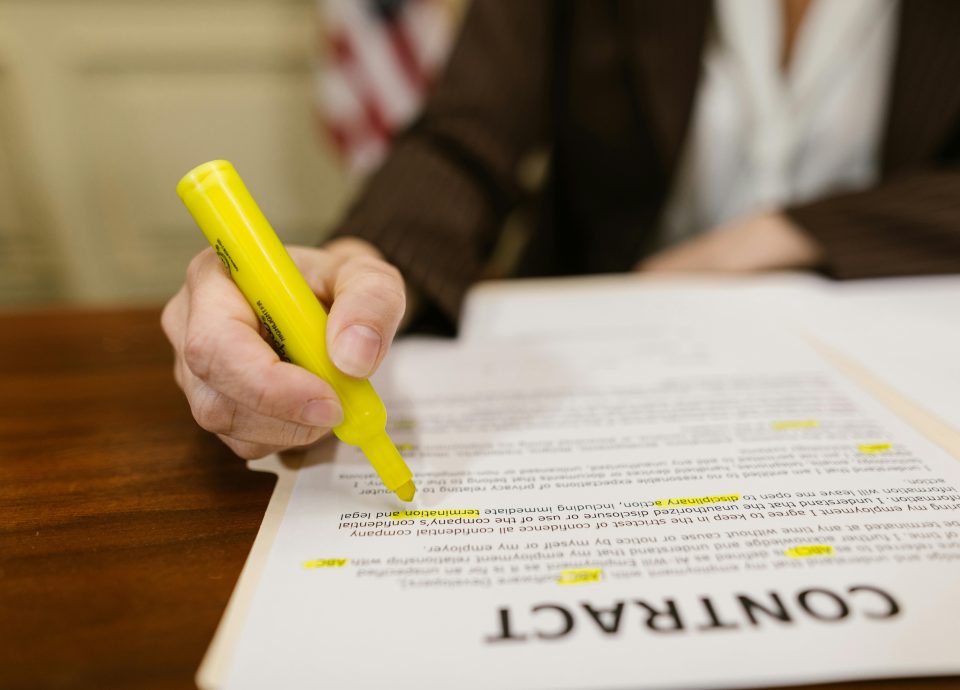
- Any ticket, citation, summons, or charging paperwork
- Bond paperwork and release conditions (if applicable)
- Police report or incident number (if you have it)
- Prior court paperwork related to the same issue
- Basic notes: dates, locations, and who was involved
If you don’t have documents, do not panic. The key is to avoid missing deadlines and to be clear about the court name listed on your paperwork.
Common Mistakes to Avoid When You’re Unsure About the Process
- Missing court dates because the notice was misunderstood
- Paying a ticket immediately without understanding the record impact
- Discussing a case in texts, messages, or calls that can be saved
- Contacting someone involved when bond conditions or no-contact rules may apply
- Waiting too long until a deadline is already close
These issues come up often because the system moves fast. Early guidance and clear communication can help you stay organized and avoid preventable damage.
Spanish-Speaking Lawyer Grand Rapids MI: Local Guidance for Surrounding Areas
Many people searching for Spanish-language legal help live outside Grand Rapids proper. If you’re looking nearby, you can also view:
Frequently Asked Questions
Do I need to bring an interpreter to a consultation?
Not always. If you prefer to speak in Spanish, it can help to work directly with a Spanish-speaking attorney so you can explain details clearly and ask questions without guessing.
Can a language misunderstanding hurt my case?
It can. Missed dates, misunderstandings about bond rules, and incomplete paperwork can create avoidable problems. Clear communication helps reduce these risks.
What should I do first if I received court paperwork?
Confirm the court listed on the paperwork, identify the deadline, and avoid ignoring notices. If you’re unsure what it requires, it’s better to get clarity early.
Which practice areas are most common for Spanish-speaking clients?
Common needs include Traffic Tickets, OWI, Drug Offenses, and Expungement, but it depends on the situation.
Where can I see more information about your legal services?
You can review our practice areas here: Practice Areas.
Talk to a Spanish-speaking lawyer in Grand Rapids, MI. If you want clarity on next steps and what to expect, contact our office to request a confidential consultation.
Sección en Español
Si usted prefiere comunicarse en español, contar con un abogado que hable español puede ayudarle a entender el proceso con más claridad. Los casos legales avanzan rápido, y un malentendido con fechas, condiciones de fianza o documentos puede causar problemas innecesarios.
En esta guía explicamos qué esperar durante una consulta, qué documentos traer y cuáles son los errores más comunes que conviene evitar desde el principio.
Qué traer a su consulta
- Multa o citación (ticket), citatorio o documentos de cargos
- Documentos de fianza y condiciones de libertad (si aplican)
- Número de reporte o información del incidente (si la tiene)
- Cualquier documento previo relacionado con el caso
- Notas básicas: fechas, lugares y quién estuvo involucrado
Errores comunes que conviene evitar
- Perder una fecha de corte por no entender el aviso
- Pagar un ticket de inmediato sin conocer el impacto en su récord
- Hablar del caso por mensajes o redes sociales
- Contactar a una persona involucrada si existe una orden de no contacto
- Esperar demasiado hasta que el plazo sea urgente
Si necesita información sobre áreas comunes, puede revisar: Multas de Tránsito, OWI, Delitos de Drogas, o Expungement.
Para solicitar una consulta confidencial, visite nuestra página de contacto.